

Cross-functional design: combining aesthetics and functionality in projects
30.05.2024
The Art of Cross-functional Design
Cross-functional design represents an innovative approach that combines aesthetics and functionality through visually appealing and highly functional solutions. This method is essential for projects that must meet both aesthetic and practical needs, ensuring the coherent integration of every element. Through the balanced fusion of form and function, cross-functional design ensures that every aspect of the project contributes to a final result that is pleasing to the eye and practical to use.
Aesthetics and Functionality: An Essential Balance
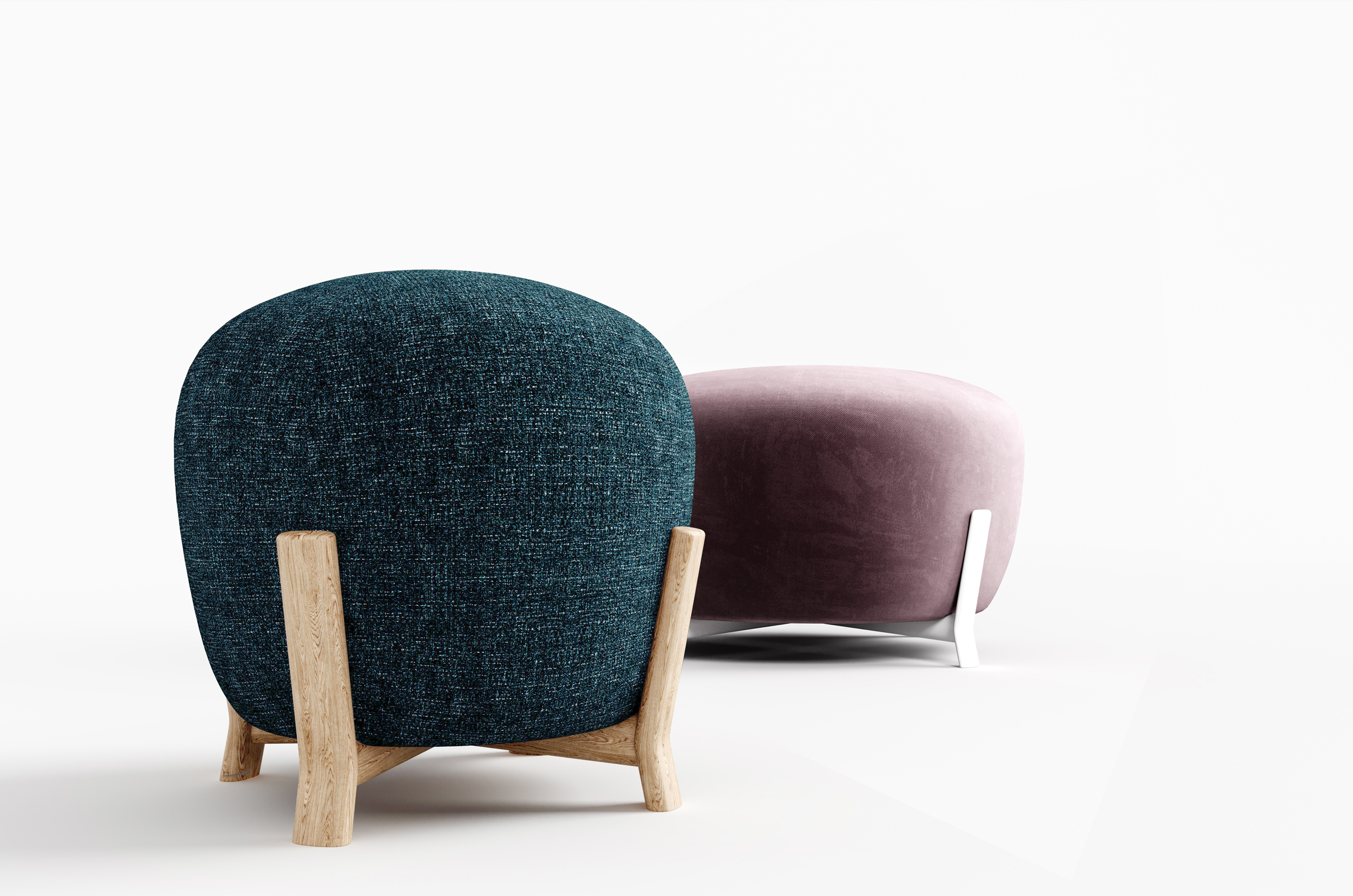
In every design project, the main goal is to achieve the perfect balance between aesthetics and functionality. Visual consistency should never compromise practicality, and vice versa. For example, a piece of furniture may be visually appealing, but if it is not functional, its value significantly decreases. This principle applies not only to furniture but also to design projects for communication in general, such as brochures, websites, and packaging. A website that looks attractive but is difficult to navigate, or a brochure that is elegant but confusing in content, will not achieve the goals for which they were created. Good cross-functional design successfully integrates these two aspects, creating solutions that are both beautiful and useful, meeting both the visual and practical needs of users.
Creative and Technical Process
The cross-functional design process begins with a deep understanding of the client’s needs and the context in which the project will be placed.
This includes:
– Research and Analysis: Studying market trends, analyzing the target audience and their aesthetic and functional preferences. This phase allows the collection of critical information that guides the design process.
– Conceptualization: Developing concepts that blend form and function, ensuring that each idea meets both aesthetic and practical criteria. This phase involves creativity and innovation to design high-impact solutions.
– Prototyping and Testing: Creating prototypes to evaluate the effectiveness of the proposed solutions. Testing helps identify and correct any issues, improving the final design based on the feedback received.
This methodical approach ensures that every cross-functional design project meets the client’s needs and adequately responds to expectations in terms of both functionality and beauty.
Anthropodesign Puts the Person at the Center
Anthropodesign is an approach that places the person at the center of the creative process, focusing on the needs, desires, and behaviors of the end users. This method starts with the observation and analysis of human interactions with objects and spaces to develop solutions that enhance quality of life.
Anthropodesign is also central in communication design projects, not just for objects and exhibition spaces. In visual communication, this approach ensures that messages are clear, accessible, and relevant to the audience. For example, designing a website or advertising campaign based on anthropocentric principles takes into account users’ browsing habits, aesthetic preferences, and informational needs, creating engaging and intuitive experiences. By integrating principles of ergonomics, psychology, and sociology, anthropodesign creates products and environments that are functional, aesthetically pleasing, and most importantly, intuitive and tailored to the individual, promoting a positive and meaningful user experience.
The Evolution of Industrial Design
The evolution of industrial design has led to a greater integration between aesthetics and functionality. Historically, these two aspects were often considered separately, with a stronger emphasis on aesthetics. However, in recent decades, the growing awareness of the importance of user experience has driven designers to create products that are not only visually pleasing but also practical and comfortable to use. This shift has been facilitated by the use of new technologies and materials, which allow for greater creative freedom without compromising efficiency. The synergy between form and function now drives innovation, leading to design solutions that enhance people’s daily lives, making objects both useful and enjoyable to use and look at.
Design as an Economic Driver
The 2024 Deloitte report on the design economy highlights the crucial importance of design as an economic driver. Companies that invest in design see a significant financial return, thanks to the ability of good design to enhance customer experience and increase brand loyalty. Additionally, transversal design helps reduce production costs and improve operational efficiency, making products more competitive in the market. Integrating design into business strategies not only boosts customer satisfaction but also improves corporate reputation and stakeholder loyalty.
Innovation and Competitiveness through Design
Companies that adopt an integrated design approach experience increased productivity and enhanced innovation. This is particularly evident in the technology and manufacturing sectors, where the adoption of advanced technologies such as Artificial Intelligence and smart automation has enabled the creation of innovative products that meet both aesthetic and functional needs. Transversal design also helps businesses better address challenges in the global market, such as the adoption of sustainable practices and compliance with environmental regulations. Companies that successfully integrate sustainability and innovative design improve their competitiveness and attract investors interested in businesses with strong social responsibility.
Cross-disciplinary design is a philosophy that places the harmonious integration of aesthetics and functionality at the center of the creative process. Through careful research, analysis, and experimentation, it is possible to develop solutions that effectively combine these two aspects. This approach ensures that designs are aesthetically pleasing, efficient, and practical in their daily use. Embracing cross-disciplinary design means building a future where beauty and utility coexist in perfect harmony, creating experiences that fully meet the needs of users and enhance the quality of life.
Got an idea? Let’s talk about it.